
Eye Wash Station
Eye Wash Station is an essential emergency safety equipment designed to quickly flush hazardous chemicals, acids, alkalis, dust and other contaminants from the eyes. It provides a controlled water flow to both eyes simultaneously and allows immediate emergency decontamination after accidental exposure. Eye wash stations are widely used in chemical factories, textile industries, laboratories, manufacturing plants, hospitals, battery areas and other workplaces where hazardous materials are handled. Proper installation, accessibility, regular inspection and maintenance are essential to ensure the station is ready when an emergency occurs.
Showing all 9 resultsSorted by price: high to low
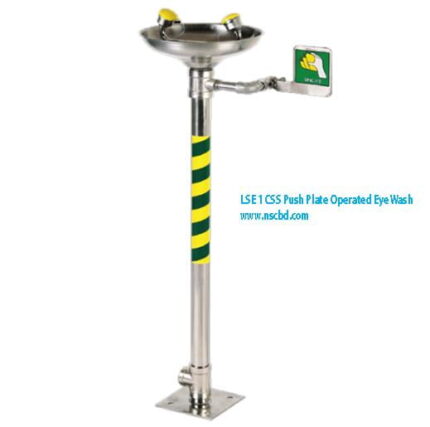
LSE 2 CSS Paddle Eye Wash Station
22,500.00৳
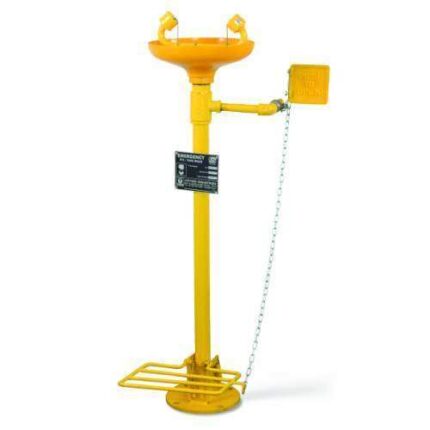
Udyogi Eye Face Wash In Bangladesh
10,500.00৳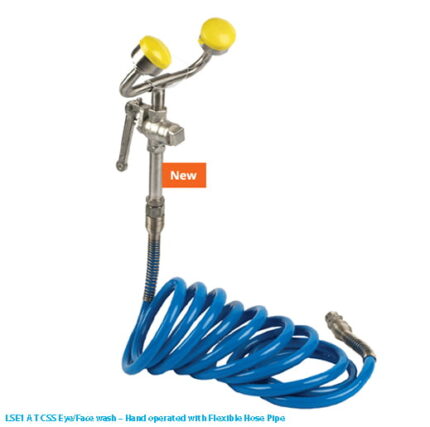
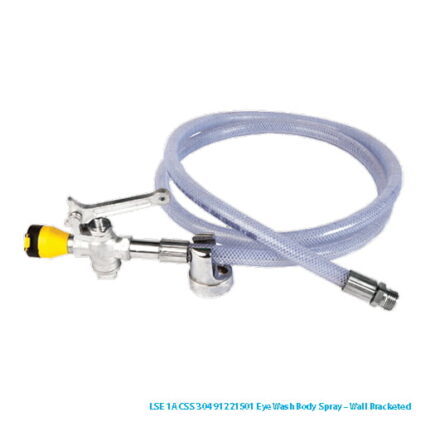
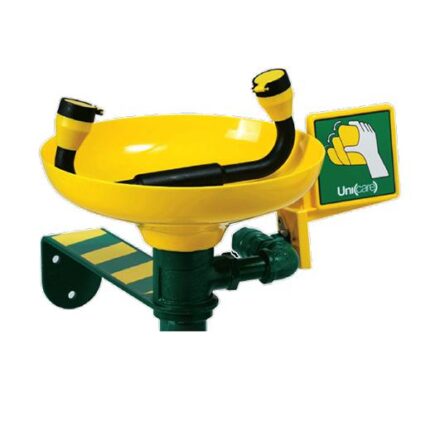
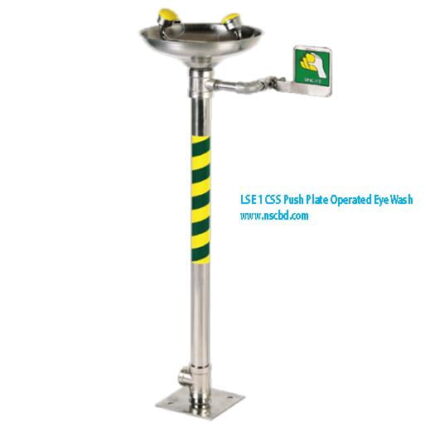


An Eye Wash Station is an emergency safety device designed to quickly flush hazardous substances, chemicals, dust, particles, or other contaminants from a person's eyes after accidental exposure. It is especially important in workplaces where employees handle chemicals, acids, alkalis, solvents, dyes, laboratory materials, or industrial substances.
The main purpose is immediate first-response eye decontamination. It does not replace professional medical treatment.
What Is an Eye Wash Station?
An emergency eyewash station normally has two specially designed spray nozzles that deliver a controlled flow of clean flushing fluid to both eyes simultaneously.
When an accident happens, the user activates the station and places the eyes directly in the flushing streams. The water helps physically wash the hazardous material away from the eyes and surrounding area.
According to OSHA, workplaces where employees' eyes or bodies may be exposed to injurious corrosive materials need suitable facilities for quick flushing or drenching for immediate emergency use.
Why Is an Eye Wash Station Important?
A chemical splash can happen within seconds. If a worker has to search for a sink, water bottle, or another source of water, valuable time can be lost.
An emergency eyewash station provides:
- Immediate access to flushing water
- Simultaneous flushing of both eyes
- A controlled and gentle water flow
- Hands-free operation after activation on appropriate models
- Quick removal of chemicals and contaminants
- Emergency protection in laboratories and industrial workplaces
- An important first-response safety measure before medical evaluation
The goal is to start flushing the eyes as quickly as possible after exposure. OSHA guidance specifically recognizes the importance of response time and the suitability of emergency flushing equipment.
How Does an Eye Wash Station Work?
The operation is simple:
1. Accident occurs
A chemical, dust, powder, liquid, or other harmful substance enters the eyes.
2. Go immediately to the eyewash station
The station should be installed in an easily accessible location close to the hazard.
3. Activate the eyewash
The user pushes the activation paddle/lever or operates the designated control.
4. Place both eyes in the water stream
The two nozzles provide flushing fluid to both eyes simultaneously.
5. Keep the eyes open while flushing
The eyelids should be held open as much as possible so that the flushing fluid can reach the entire eye surface.
6. Continue flushing
ANSI/ISEA Z358.1 guidance uses a 15-minute flushing period for emergency eyewash equipment in applicable situations.
7. Obtain medical attention when required
An eyewash station is an emergency decontamination device—not a substitute for medical treatment.
What Can an Eye Wash Station Remove?
An eyewash station can help flush away:
- Chemical splashes
- Acids
- Alkalis
- Solvents
- Cleaning chemicals
- Dyes and industrial chemicals
- Dust
- Fine particles
- Debris
- Powder or other contaminants
ANSI describes emergency eyewashes as equipment intended to irrigate and flush the eyes following exposure to hazardous materials.
Where Is an Eye Wash Station Used?
Eye wash stations are commonly used in:
🧪 Chemical Laboratories
For protection against accidental chemical splashes, acids, alkalis and laboratory reagents.
🏭 Textile & Garment Factories
Useful in dyeing, washing, finishing, printing and chemical-processing areas where workers may handle industrial chemicals.
🧴 Chemical Industries
Important where corrosive or hazardous liquids are stored, transferred or processed.
🔬 Research Laboratories
Provides emergency flushing capability when handling laboratory chemicals and other hazardous substances.
🏥 Hospitals & Medical Facilities
Can be used in areas where chemicals, disinfectants or laboratory materials are handled.
🔋 Battery & Electrical Work Areas
Useful where workers may be exposed to battery electrolyte or other hazardous substances.
🏗️ Construction & Industrial Sites
Appropriate where workers may come into contact with hazardous chemicals or materials.
🧹 Cleaning & Maintenance Areas
Useful where concentrated cleaning chemicals or corrosive products are handled.
Important Safety Standards
One commonly referenced standard is ANSI/ISEA Z358.1, which provides guidance for emergency eyewash and shower equipment, including performance, installation, operation, testing and maintenance.
Important considerations include:
| Feature | Importance |
|---|---|
| Two-eye flushing | Both eyes should be flushed simultaneously |
| Controlled flow | Water should flow at a safe, non-injurious velocity |
| Easy activation | The emergency valve should be quick and simple to operate |
| Hands-free operation | Allows the user to keep eyes open during flushing |
| Accessibility | Station should be quickly reachable |
| Visibility | Station should be clearly identifiable |
| Clean flushing fluid | Water/flushing fluid must be suitable for emergency use |
| Regular testing | Equipment should be inspected and maintained |
| 15-minute capability | ANSI guidance specifies continuous flushing capability for applicable eyewash equipment |
OSHA has frequently referred employers to ANSI Z358.1 as a source of detailed guidance for suitable emergency eyewash and shower equipment.
How Far Should an Eye Wash Station Be From the Hazard?
The station should be close enough that an exposed worker can reach it immediately without encountering obstacles.
ANSI guidance commonly uses a 10-second maximum travel time as an important accessibility benchmark, while the actual placement should be determined by the hazards, workplace layout and applicable requirements.
The route should be:
- Clear
- Unobstructed
- Easy to identify
- Well accessible
- Free from trip hazards
An eyewash hidden behind equipment is not useful during an emergency.
Eye Wash Station vs. Normal Sink
A normal sink is not the same as an emergency eyewash station.
| Normal Sink | Emergency Eye Wash Station |
|---|---|
| General washing | Emergency eye flushing |
| Ordinary faucet | Special eyewash nozzles |
| May require manual operation | Designed for quick emergency activation |
| Water stream may be unsuitable | Controlled flushing stream |
| Usually not designed for both eyes | Designed to flush both eyes simultaneously |
| Not specifically designed for chemical exposure | Specifically designed for emergency decontamination |
OSHA has noted that simply having an eyewash device is not enough if the equipment is not suitable for the hazard and does not provide appropriate emergency flushing capability.
Eye Wash Station Maintenance
Having the equipment installed is only the first step. It should remain ready for immediate emergency use.
Regular checks should include:
- Check water/flushing-fluid availability
- Check for leaks
- Check activation mechanism
- Check nozzle condition
- Check nozzle covers
- Check water flow
- Keep the area around the station clear
- Check signage and visibility
- Follow the manufacturer's inspection and maintenance instructions
- Flush/test the unit according to applicable requirements
The ANSI standard addresses installation, operation, testing and maintenance as part of ensuring reliable emergency equipment.
Why Every Chemical-Handling Workplace Should Consider One
An eyewash station is essentially emergency protection between an accident and permanent injury.
A chemical splash can happen unexpectedly, even when workers are wearing PPE. Safety glasses reduce the risk of exposure, but they cannot eliminate every possibility of an accident.
For this reason, an emergency eyewash station should be considered an important part of a workplace's chemical safety and emergency response system.
Simple Example
Chemical splash → Immediate eyewash → Continuous flushing → Medical evaluation if required
The most important point is speed. The sooner the eyes are flushed, the sooner the hazardous substance can be diluted and removed.
Important: The exact eyewash requirements depend on the chemicals/materials present, workplace layout and applicable local regulations or standards. ANSI/ISEA Z358.1 is a widely used technical reference, while OSHA requirements apply in the jurisdictions where OSHA rules govern.